
The gluten-free diet has gained popularity in recent years. More and more people are deciding to avoid gluten, either for health reasons or because they expect positive effects from it. But what is actually behind this trend? In this blog post we answer the most frequently asked questions about the topic of “gluten-free” and also address further aspects.
What is gluten?
Gluten is a protein found in grains such as wheat, barley and rye. It consists of two main proteins: gliadin and glutenin. Gliadin is responsible for most of the negative health effects. Gluten gives dough elasticity and ensures that bread and pastries retain their shape.
For most people, gluten is not a problem. However, there are certain groups who need to avoid it for health reasons:
- People with celiac disease: This autoimmune disease causes the body to view gluten as an invader and the immune system attacks the intestinal lining. This can lead to severe deficiency symptoms because the body can no longer absorb enough nutrients.
- People with non-celiac gluten sensitivity: These people have similar symptoms to those with celiac disease, but without the autoimmune reaction or intestinal damage.
- People with wheat allergy: This rare allergy triggers an allergic reaction when consuming wheat proteins, which can range from mild symptoms to anaphylactic shock.
What are the symptoms of gluten intolerance?
The symptoms of gluten intolerance are varied and can affect the gastrointestinal tract as well as other areas of the body. Typical signs are:
- Gastrointestinal complaints: Abdominal pain, bloating, diarrhea or constipation are among the most common symptoms.
- Fatigue and exhaustion: Many sufferers report a constant feeling of exhaustion.
- Headache or migraine: Gluten can also trigger headaches or migraines in sensitive people.
- Joint pain: Some people experience increased pain in their joints after consuming gluten.
- Rashes: A specific rash called dermatitis herpetiformis is a clear sign of celiac disease.
It is important to consult a doctor if you suspect gluten intolerance and not to avoid gluten on your own, as this can make the diagnosis more difficult.
Which foods are naturally gluten-free?
There are many foods that are naturally gluten-free and form an important basis for a gluten-free diet:
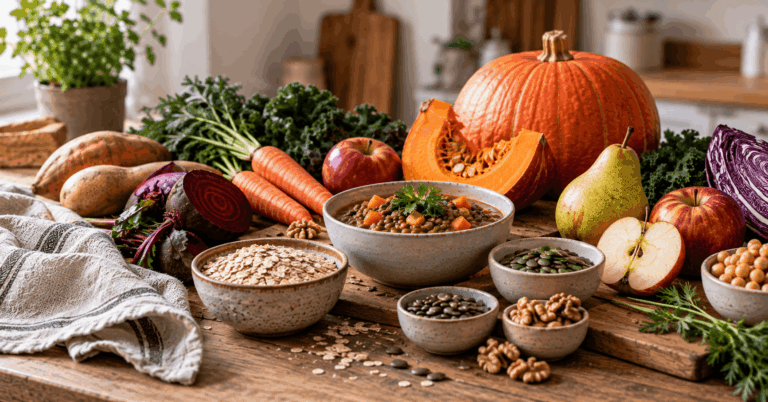
- Fresh fruits and vegetables: These foods are naturally gluten-free and provide essential vitamins, minerals and fiber.
- Meat, fish and eggs: Unless they are breaded or processed, these proteins do not contain gluten.
- dairy products: Most unprocessed dairy products such as milk, cheese and yogurt are gluten-free. Caution is advised with finished products that may contain thickeners or stabilizers.
- Legumes: Beans, lentils, chickpeas and peas are also gluten-free and a good source of plant-based protein.
- Rice, corn and quinoa: These grains and pseudocereals are naturally gluten-free and can replace wheat in many dishes.
How do I know whether a product is gluten-free?
Food labeling is crucial when it comes to identifying gluten-free products. In many countries, including Germany, allergens such as wheat, barley and rye must be listed on the packaging. In addition, there are some tips that can help you:
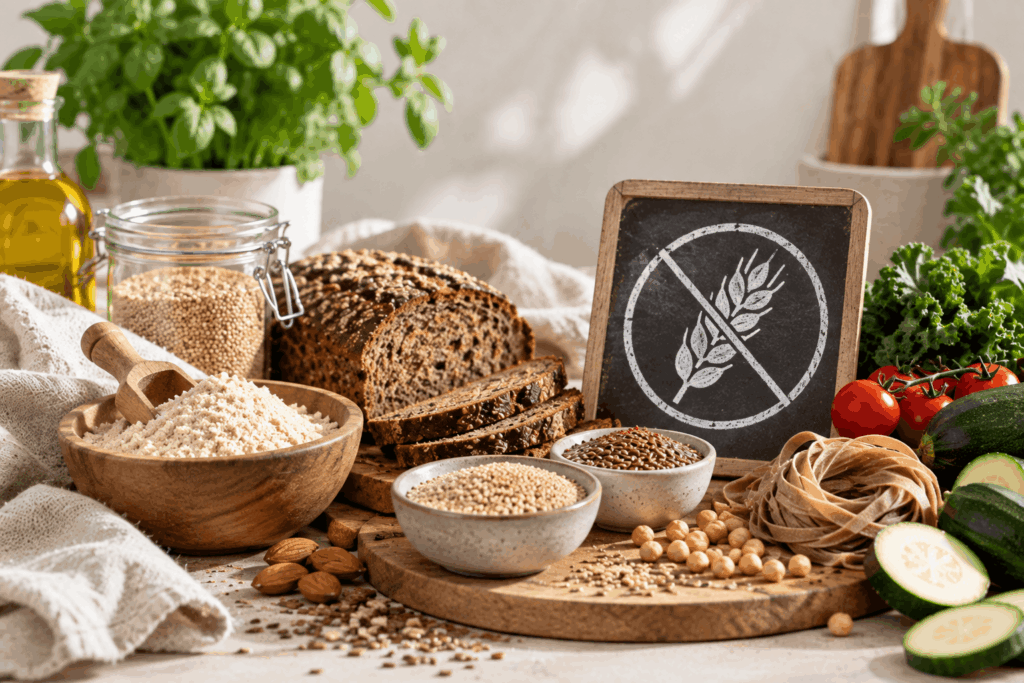
- Gluten-free seal: Many products carry a special seal that guarantees they are gluten-free. The most famous is the symbol of the crossed-out ear of wheat.
- Check ingredient list: Always look at the ingredients list. Wheat, barley, rye and spelled must be clearly identified. But hidden sources of gluten such as malt, modified starch and certain flavorings can also contain gluten.
- Evidence of traces of gluten: Some products are labeled “gluten-free” but may contain the statement “May contain traces of gluten”. This means that the product was processed in a facility that also processes foods containing gluten and cross-contamination may occur.

Is a gluten-free diet healthy for everyone?
A gluten-free diet is essential for people with celiac disease or a diagnosed gluten intolerance. However, for people without these health problems, the benefits of a gluten-free diet are controversial. There is no scientific evidence that eliminating gluten provides any benefits for the general population. On the contrary, unnecessary avoidance of gluten can lead to nutritional deficiencies, as many gluten-free products contain less fiber and essential nutrients such as iron, calcium and B vitamins.
What are the benefits of a gluten-free diet?
For people who cannot tolerate gluten, a gluten-free diet offers significant health benefits:
- Better well-being: For people with celiac disease or gluten intolerance, symptoms often disappear completely when they avoid gluten.
- Healing the intestines: In celiac disease patients, the intestinal lining can recover as soon as they follow a gluten-free diet.
- Improved Digestion: Many sufferers report that they generally have better digestion and less bloating when they avoid gluten.
However, it is important to emphasize that a gluten-free diet does not automatically lead to better health unless there is a medical need. An unbalanced gluten-free diet can lead to a deficiency in important nutrients.
Additional tips for you on how to make your gluten-free pizza and gluten-free pancakes a success:
Tips gluten free pizza
- Optimize flour mixture: combine different gluten-free flours (e.g. rice flour, cornstarch, tapioca) to achieve the best consistency.
- Use binders: Xanten or Psyllium husks ensure elasticity and prevent the dough from becoming crumbly. (You can find out which one I like to use here*)
- Add sparkling water or apple cider vinegar: This makes the dough airier for elasticity and ensures a fluffy texture.
- Longer walking time: Let the dough rest for at least an hour so that it rises nicely.
- Pre-bake: pre-bake the pizza base without toppings for 5-10 minutes so that it becomes crispy and doesn't get soggy.
Tips for gluten-free pancakes:
- Let the dough rest: Let it stand for at least 10-15 minutes so that the flour absorbs the liquid and the dough becomes more supple.
- Sparkling water or yogurt: this ensures a fluffy consistency.
- do not stir too much: Otherwise the pancakes will be tough – it's better to just mix them briefly
- medium heat: If the temperature is too high, they brown quickly on the outside but remain raw on the inside.
When should you see a doctor?
If you regularly experience symptoms such as stomach pain, diarrhea or fatigue after eating foods containing gluten, it may be worth seeing a doctor. Only a doctor can use specific tests to determine whether you have gluten intolerance, sensitivity or celiac disease.
Can a gluten-free diet help you lose weight?
Although many people who eat gluten-free report losing weight, there is no guarantee that eliminating gluten alone will result in weight loss. Often, weight loss is because people who avoid gluten limit processed foods and sugar and rely more on fresh, unprocessed foods. However, it is also possible to gain weight by consuming gluten-free substitutes, which are often higher in sugar and fat. Therefore, the focus should be on a balanced and healthy diet, regardless of whether it is gluten-free or not.
Conclusion
The decision to live gluten-free should be carefully considered and ideally made in consultation with a doctor. While a gluten-free diet is essential for people with celiac disease, it does not necessarily provide health benefits for healthy people. It is important to eat a balanced diet and make sure that all important nutrients are covered. For those who need to avoid gluten, there are now numerous alternatives that enable a varied and enjoyable diet.
Would you like to find out more about the gluten-free diet? Then I have here* the perfect offer for you!
*I use affiliate links on this site through which I receive a small compensation if you purchase something. Changes for you nothing on the price, but you help me continue to provide helpful content!
Notice: The content on this website is based on personal experiences and research and does not constitute medical or therapeutic advice. If you have any health or psychological complaints, please contact a doctor or a qualified specialist!