Why fiber is so important for the intestines
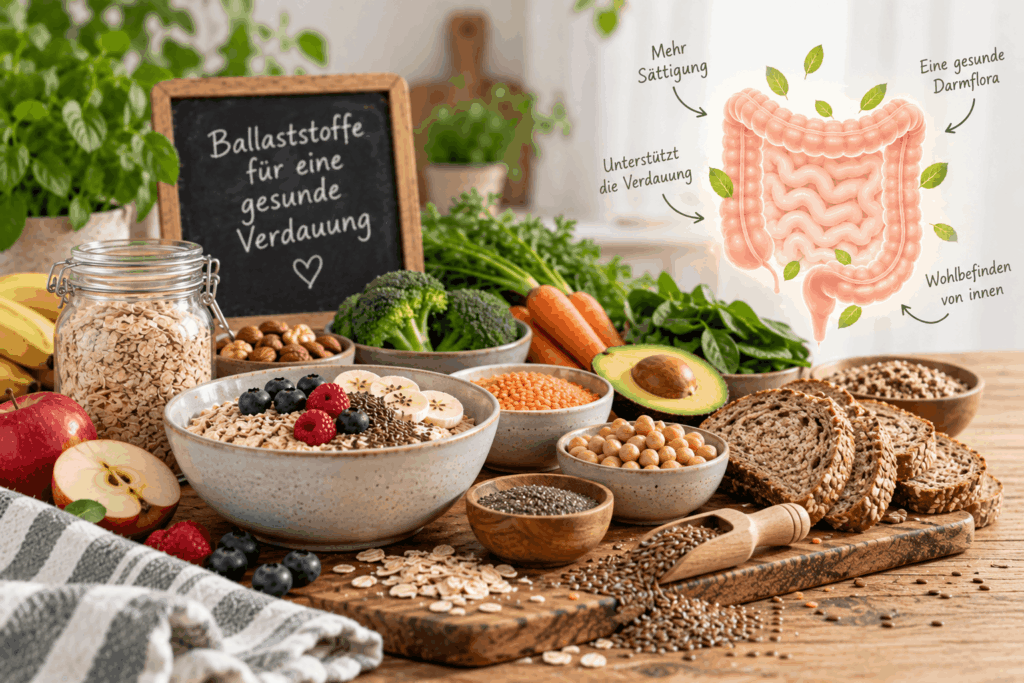
Our intestines are home to trillions of microorganisms that together form the so-called intestinal microbiome. This complex ecosystem affects not only digestion, but also the immune system, metabolism and even general well-being. Fiber plays a central role in this because it serves as a food source for many beneficial intestinal bacteria.
Anyone who regularly consumes foods rich in fiber supports the diversity of the intestinal flora. When the fiber is broken down, the good bacteria produce valuable short-chain fatty acids, which in turn can nourish and protect the intestinal mucosa. For this reason, fiber is often described as an indispensable component of a gut-friendly diet.
The 15 best sources of fiber for healthy digestion
Fiber is one of the most important components of a healthy diet. Nevertheless, many people consume significantly less of it than recommended. Foods rich in fiber can support digestion, prolong the feeling of satiety and make an important contribution to intestinal health.
Fiber is a plant-based component of food that cannot be fully digested by the body. That's exactly what makes them so valuable: they serve as food for the good intestinal bacteria and help keep the intestines in balance.
If you want to support your digestion naturally, here are the 15 best sources of fiber for your diet.
1. Psyllium husks
Psyllium husks are one of the highest fiber foods of all. Just one to two teaspoons a day can significantly increase your fiber intake. They swell in the intestines and promote regular digestion.
Recommendation: If you want to easily increase your fiber intake, you can also find high-quality psyllium husks online -> here*
2. Chia seeds
The small seeds contain large amounts of fiber and, when combined with water, form a gel-like mass. This ensures a long-lasting feeling of satiety and supports healthy intestinal function.
Tip: High-quality organic chia seeds are ideal for muesli, yoghurt or smoothies and help to easily increase your daily fiber intake.
👉 You can also find high-quality chia seeds online in organic quality*.
3. Flaxseed
Flaxseeds are a real classic for digestion. In addition to fiber, they provide valuable omega-3 fatty acids. Crushed linseeds can be used particularly well by the body.
Tip: Crushed organic flaxseeds can be used particularly well by the body and can be easily integrated into muesli, porridge or baking recipes.
👉 For optimal utilization, they are often used crushed organic linseed* recommended.
4. Oatmeal
Oatmeal is not only a popular breakfast, but also an excellent source of fiber. The beta-glucans they contain can have a positive effect on intestinal health.
5. Lenses
Lentils provide both fiber and vegetable protein. They are ideal for soups, salads or as a side dish and promote long-lasting satiety.
6. Chickpeas
Chickpeas are versatile and contain plenty of fiber. Whether as hummus, in curry or in a salad – they are an easy way to integrate more fiber into your everyday life.
7. Beans
White beans, kidney beans or black beans are among the best sources of plant-based fiber. At the same time, they support a balanced diet thanks to their high protein content.
8. Whole wheat bread
Compared to white bread, whole grain bread contains significantly more fiber. The valuable components of the whole grain are retained and promote healthy digestion.
9. Whole wheat pasta
If you replace conventional pasta with whole-grain versions, you can increase your fiber intake without much effort.
10. Apples
Apples contain pectin, a soluble fiber that provides food for intestinal bacteria. A large proportion of the valuable ingredients are contained in the peel in particular.
11. Pears
Pears are not only delicious, but also rich in fiber. They are perfect as a healthy snack between meals.
12. Raspberries
Among berries, raspberries are among the leaders in fiber content. At the same time, they provide many vitamins and secondary plant substances.
13. Broccoli
Broccoli contains numerous nutrients and at the same time provides a good portion of fiber. It can be integrated into your daily diet in a variety of ways.
14. Sweet potatoes
Sweet potatoes contain more fiber than many other side dishes and are a delicious alternative to traditional potatoes.
15. Almonds
Almonds provide healthy fats, protein and fiber all in one. Even a small handful can make a valuable contribution to your daily fiber intake.
This is how you really increase your fiber intake
If you have previously eaten a low-fiber diet, you should slowly increase the amount. The intestines need some time to adapt. It is also important to drink enough water. Fiber can only develop its positive effect optimally if there is enough fluid.
A good start can be to gradually replace white flour products with whole grain varieties, incorporate legumes into your diet more often and eat fruit and vegetables every day.
Fiber is an important building block for healthy digestion and a balanced intestinal microbiome. Even small changes in everyday life can make it easier to reach the recommended amount. Whether psyllium husks, oat flakes, legumes or fresh fruit – the selection of fiber-rich foods is large and offers options to suit every taste.
Anyone who regularly integrates fiber-rich foods into their diet not only supports their digestion, but also invests in their general health and well-being in the long term.
Soluble and insoluble fiber – the difference
Not all fiber is created equal. A basic distinction is made between soluble and insoluble fiber.
Soluble fiber is found in oatmeal, apples, psyllium husks and legumes, among other things. They bind water and form a gel-like mass in the intestines. This slows down digestion and makes you feel full longer.
Insoluble fiber is found primarily in whole grain products, vegetables and nuts. They increase stool volume and can stimulate intestinal movement. Both types are important for optimal digestion and should be consumed regularly.
Signs of a low-fiber diet
Many people consume too little fiber for years without noticing it. Common signs can include digestive problems, a sluggish intestine or a constant feeling of hunger.
Other possible signs include:
- Irregular bowel movements
- Frequent constipation
- Bloating after certain meals
- Rapid return of hunger
- Low intake of fruits, vegetables and whole grains
Anyone who examines their diet often finds that highly processed foods make up a large part of their diet. These usually contain significantly less fiber than natural foods.
This is how you integrate more fiber into your everyday life
Increasing your fiber intake doesn't have to be complicated. Even small changes can make a noticeable difference.
For example, start the day with oatmeal instead of sugary breakfast cereal. Complete your breakfast with berries, chia seeds or flax seeds. Swap white bread for whole grain bread and try to regularly include legumes in your meals.
Snacks can also be made higher in fiber. Instead of sweets, apples, pears or a handful of almonds are suitable. If you take it step by step, you can improve your diet in the long term without feeling like you have to go without anything.
Fiber and the feeling of satiety
Another advantage of foods rich in fiber is their satiating effect. Because fiber absorbs water and swells in the stomach, the feeling of fullness can last longer. Many people report that they feel satisfied for significantly longer after a meal rich in fiber.
For this reason, foods rich in fiber are often used in diets that are aimed at conscious weight control. They can help prevent food cravings and reduce calorie intake naturally.
Common mistakes when eating a high-fiber diet
If you want to increase your fiber intake, you should avoid some common mistakes. The most common mistake is increasing the amount too quickly. The intestines need time to adapt to the additional amount.
Adequate fluid intake is equally important. Without enough water, fiber cannot optimally fulfill its tasks in the intestines. It is therefore advisable to drink enough throughout the day.
In addition, the diet should remain balanced overall. Although fiber is important, it does not replace a varied diet with sufficient protein, healthy fats, vitamins and minerals.
Conclusion: Small changes with a big impact
Fiber is one of the most important building blocks of a healthy diet. They support digestion, promote a diverse intestinal flora and contribute to a long-lasting feeling of satiety. The good news is that even small adjustments to your everyday life can be enough to absorb significantly more fiber.
Whether psyllium husks, oat flakes, whole grain products, legumes, fruit or vegetables – there is a large selection of fiber-rich foods. If you regularly eat these natural foods, you can support your intestines in the long term and at the same time do something for your general well-being.