
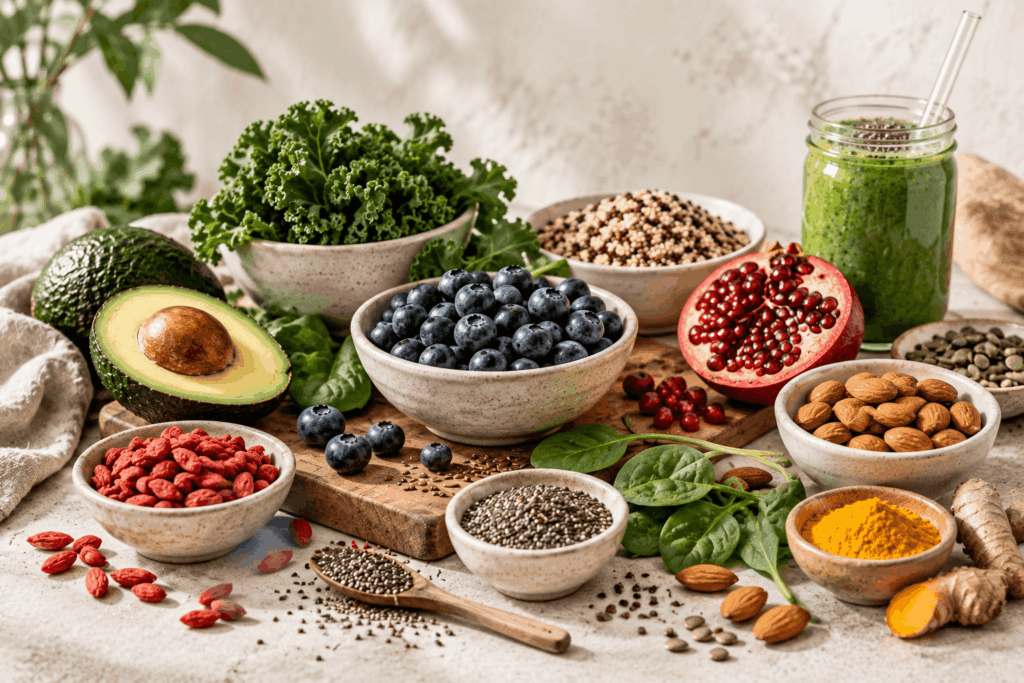
Superfood – the big guide
Superfoods have been trendy for years – but what is really behind the term? How healthy are they really, and do we even need them? In this blog post you will find out everything you need to know about superfoods: from definition and effects to concrete examples and the hype behind them.
What is superfood? Simply explained
Superfoods are foods that are considered exceptionally healthy due to their particularly high nutrient density. They contain large amounts of vitamins, minerals, antioxidants, enzymes, healthy fats and phytochemicals – exactly the substances that our body needs for a strong immune system, healthy cells and more energy.
However, the term “superfood” is not a scientifically protected or legally defined term. This means that every company can label food this way – regardless of its actual nutrient content. That's why it's important to critically question what is really a superfood – and what is more of a cleverly marketed product.
How do you spell superfood?
“Superfood” is written in German as in English – together and capitalized because it is a noun. In the plural we say “superfoods”. Example: Chia seeds and goji berries are popular superfoods.
What does superfood mean?
“Superfood” is made up of the English word “super” (i.e. “special” or “outstanding”) and “food”. The term describes foods that are said to have above-average healthy properties. The word originally comes from marketing and is often used in the health and fitness industry.
How many superfoods are there?
The exact number is difficult to say because new foods are constantly being added to the superfood canon. But you can say: There are now more than 100 different superfoods – including exotic varieties such as açai or spirulina, but also many local classics such as blueberries, linseed or kale. The list is constantly growing as new studies and nutritional trends continue to produce new candidates.
What are superfoods?
Here is an overview of typical superfoods – divided into categories:
1. Seeds and grains
• Chia seeds: rich in omega-3, protein and fiber
• linseed: good for digestion, contains lignans (plant substances)
• Quinoa & amaranth: gluten-free, rich in vegetable protein
2. Fruits and berries
• Goji berries: Vitamin C and antioxidants
• Acai berries: particularly antioxidant
• Blueberries: domestic star with anti-inflammatory effects
3. Vegetables
• Kale: full of vitamin K, C, A, iron and calcium
• broccoli: contains sulforaphane, which has an antioxidant effect
• spinach: classic iron supplier
4. Seaweed and powder
• Spirulina: Algae with a lot of protein and chlorophyll
• Moringa: Tree leaf with many vitamins and minerals
• Matcha: green tea in powder form, containing caffeine and antioxidant
5. Healthy fats
• avocado: rich in unsaturated fatty acids
• Walnuts: good source of Omega-3
What is Superfood Nutrition?
The so-called superfood diet is based on regularly integrating many of these nutrient-rich foods into your daily diet. The aim is to provide the body with optimal care, strengthen the immune system and reduce the risk of chronic diseases – in a completely natural way.
Superfood does not replace other foods, but complements them. It's about quality rather than quantity: It's better to have a spoonful of chia seeds a day than large quantities of processed products.
What is superfood for dogs?
Our four-legged friends can also benefit from superfoods. For dogs, foods such as salmon oil (for skin and fur), pumpkin (for digestion), blueberries (for cell protection) or coconut oil (for the immune system) are considered superfoods. There are now also special dog foods with added superfoods.
Important: Not every “superfood” is suitable for animals. For example, avocados and onions are poisonous to dogs.
Which foods are included?
Superfood foods are natural products with an above-average amount of vital substances. These include:
• Fruits and berries: blueberries, açai, pomegranate
• Vegetables: Broccoli, Kale, Sweet Potato
• Seeds & Nuts: Chia, flax seeds, almonds
• Cereals & Pseudocereals: Quinoa, buckwheat
• Algae & fungi: Spirulina, rice
• Spices: turmeric, ginger, cinnamon

What good does it really do?
Superfoods can help improve overall health – for example through:
• more energy
• better digestion
• stronger defenses
• healthier skin and hair
• less inflammation in the body
But: Superfoods are not a replacement for medication or a poor diet. They work best as part of a healthy, varied diet.
What is superfood powder?
Superfood powders are dried and finely ground superfoods – often made from algae, berries or green plants. They are practical because you can simply stir them into smoothies, water, muesli or yoghurts.
Popular powders are:
• Moringa, like this one ➡️ https://amzn.to/49l2qmU*
• Spirulina, like this one ➡️ https://amzn.to/453HgHq*
• Barley grass, like this one ➡️ https://amzn.to/49jbusp*
• Acai powder, like this one ➡️ https://amzn.to/4pF5T4B*
• Matcha tea, like this one ➡️ https://amzn.to/3NpcDWI*
Where does it actually come from?
Many well-known superfoods come from distant countries:
• Acai, maca, quinoa – from South America
• Goji berries, ginseng – from Asia
• Spirulina, Moringa – from Africa
But also Europe has many superfoods: Sea buckthorn, nettle, blueberries, cabbage or beetroot also have a strong effect.
Why superfood?
Because we live in a time when many people have an unbalanced diet, are stressed and have little time. Superfoods offer an easy way to absorb important micronutrients in a concentrated form – without having to take nutritional supplements.
Why are they so popular?
• Health trend: More and more people are paying attention to nutrition and vitality.
• Influencers & Social Media: Superfoods are photogenic and trendy.
• Convenience: They are easy to integrate into everyday life.
• Lifestyle product: Anyone who eats superfoods lives “consciously” – that has become a status symbol.
Why is avocado a superfood?
Avocados contain a unique combination of:
• healthy fats (especially oleic acid)
• Vitamin E & K
• potassium – more than bananas!
• fiber – good for digestion
They promote heart health, help you lose weight (through satiety) and provide energy for the body and brain.
Why are blueberries a superfood?
Because they are little antioxidant bombs. They contain:
• Anthocyanins – Plant pigments that fight free radicals
• Vitamin C & E
• fiber
Studies show: Blueberries can help increase brain performance, reduce inflammation and protect the heart.
How healthy is it really?
Most superfoods deliver what they promise – provided you use them correctly. They are not a “miracle cure”, but rather a building block for a healthy lifestyle.
You won't become healthier through chia pudding or matcha latte alone – but they can make a valuable contribution if they are part of a balanced diet.
How great are superfoods really?
Superfoods are a useful supplement – but not a panacea. Its reputation as a “miracle weapon” is often exaggerated, but its health benefits have been scientifically proven. The motto is: Don't overdo it, use it consciously.
*I use affiliate links on this site through which I receive a small compensation if you purchase something. Changes for you nothing on the price, but you help me continue to provide helpful content!
Notice: The content on this website is based on personal experiences and research and does not constitute medical or therapeutic advice. If you have any health or psychological complaints, please contact a doctor or a qualified specialist!