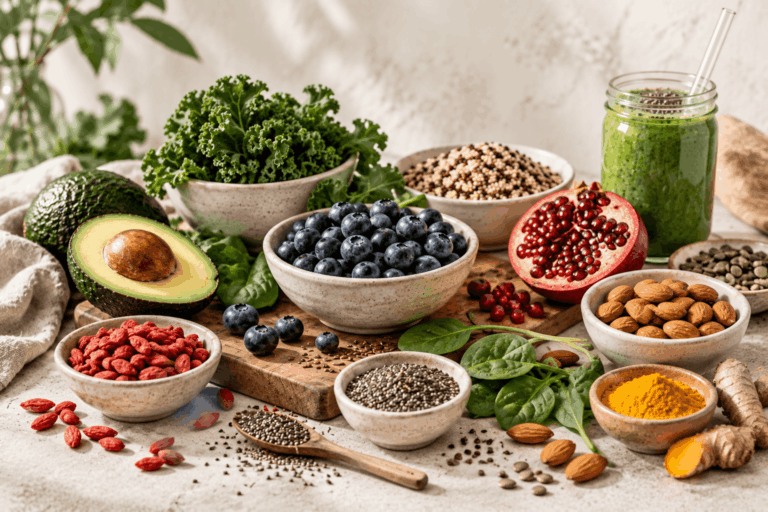

More and more people are choosing a vegan diet – be it for health reasons, for the environment or for ethical reasons. But what exactly does a vegan diet mean? How does it affect our bodies, how healthy and sustainable is it really, and how can you get started? Here you will find answers to the most important questions and helpful tips to get you started.
1. What is vegan nutrition?
A vegan diet means consuming exclusively plant-based foods and completely avoiding animal products such as meat, fish, milk, eggs and honey. The focus is on fresh fruits, vegetables, whole grains, legumes, nuts, seeds and plant-based alternatives.
- Ethical reasons: Refrain from animal suffering.
- Health Benefits: Promote a balanced, fiber-rich lifestyle.
- sustainability: Less environmental impact through plant-based food production.
2. How do I start a vegan diet?
The best way to switch to a vegan diet is to take it step by step:
- Start slowly: First, integrate vegan dishes into your everyday life, e.g. B. one plant-based breakfast or one vegan day per week.
- Explore alternatives: Replace animal products with plant-based options like oat milk, tofu, or jackfruit.
- Plan your meals: A balanced vegan diet requires some planning to cover all nutrients such as proteins, iron and vitamin B12.
- Get informed: Read about vegan nutrient sources, e.g. E.g. legumes for proteins or nuts for healthy fats.
3. How does a vegan diet affect the body?
A well-planned vegan diet offers numerous health benefits:
- Better heart health: Lower saturated fat and cholesterol may reduce the risk of cardiovascular disease.
- Healthy digestion: Plant-based foods are rich in fiber, which promotes gut health.
- Weight management: Many vegans report natural weight loss because vegan foods are often lower in calories and more filling.
- Anti-inflammatory effect: Plant-based diet can reduce inflammatory processes in the body.
Important: Without adequate planning, deficiencies in vitamin B12, iron or omega-3 fatty acids can occur. Dietary supplements or fortified foods are often necessary here.
4. Is a vegan diet healthy?
It can be very healthy if it is balanced. Studies show that vegans have a lower risk of:
- heart disease,
- type 2 diabetes,
- and have certain types of cancer.
However, care should be taken to ensure adequate nutrient intake, especially vitamin B12, iron, calcium and iodine.

5. What does a vegan diet do for the environment?
It is considered significantly more sustainable than a meat-based diet because it:
- Less CO₂ emissions caused,
- Saves water, since animal husbandry is very water-intensive,
- less land area required because no feed is required to be grown for animals.
A global shift to a vegan diet could reduce greenhouse gas emissions from food production by up to 70%, according to a study from the University of Oxford.
6. Is a vegan diet expensive?
Not necessarily! It can even be cheaper if you use staples like rice, pasta, lentils, beans and seasonal vegetables. It becomes more expensive with special substitute products such as vegan burgers or plant-based cheese alternatives that are not absolutely necessary. With a little planning and creativity, you can make this diet inexpensive and varied.
7. What are the pros and cons?
Advantages:
- Promotes health.
- Reduces the ecological footprint.
- Supports animal welfare.
Possible challenges:
- The transition can take time and knowledge.
- Risk of nutrient deficiencies with poor planning.
- Restrictions on eating out.
8. What should you pay attention to when following a vegan diet?
Important nutrients in the past diet
| nutrient | Plant sources | Notice |
| Vitamin B12 | fortified plant milk, supplements | Nutritional supplements are usually necessary |
| iron | Lentils, chickpeas, spinach, pumpkin seeds | Better absorbed in combination with vitamin C |
| calcium | Broccoli, kale, sesame seeds, fortified milk | Important for bone strength |
| Omega-3 | Flax seeds, chia seeds, walnuts | If necessary, algae oil capsules |
| protein | Legumes, tofu, tempeh, quinoa | Diverse combinations ensure balance |
9. How do I find vegan inspiration for everyday life?
A variety of blogs, Cookbooks*, social media channels and apps today offer inspiration for vegan recipes and nutritional tips. From quick snacks to unusual dishes, you'll find something suitable for every occasion. Also discover new foods like Tempeh*,Seitan* or Jackfruit*to add variety to your diet. Exchanging ideas in vegan communities or trying out vegan restaurants can give you additional motivation and make the switch even more exciting.
Frequently asked questions about past nutrition (FAQ)
- Is a vegan diet suitable for children or pregnant women? – Yes, but only with careful planning and regular medical checks. Nutrients such as B12, iron and Omega-3 in particular must be ensured.
- Do I have to go 100% vegan immediately? – No. Even small steps – e.g. one vegan day per week – have positive effects on health and the environment.
- Can a vegan diet help you lose weight? – Yes, many vegan foods are lower in calories and higher in fiber. However, losing weight always depends on the overall calorie balance.
- What to do if family or friends react critically? – Stay calm and inform. It often helps to pre-cook vegan dishes and show how delicious they are.
- Is a vegan diet more expensive? – Staples such as lentils, beans, potatoes and vegetables are cheap. It only gets expensive because of the many substitute products.
Conclusion:
Vegan nutrition is a healthy, sustainable and ethical lifestyle that offers many benefits for the body, mind and environment. With the right planning and motivation, you too can experience the positive effects. Regardless of whether you want to go completely vegan or take small steps towards a plant-based diet – every contribution counts.
*I use affiliate links on this site through which I receive a small compensation if you purchase something. Changes for you nothing on the price, but you help me continue to provide helpful content!
Notice: The content on this website is based on personal experiences and research and does not constitute medical or therapeutic advice. If you have any health or psychological complaints, please contact a doctor or a qualified specialist!