
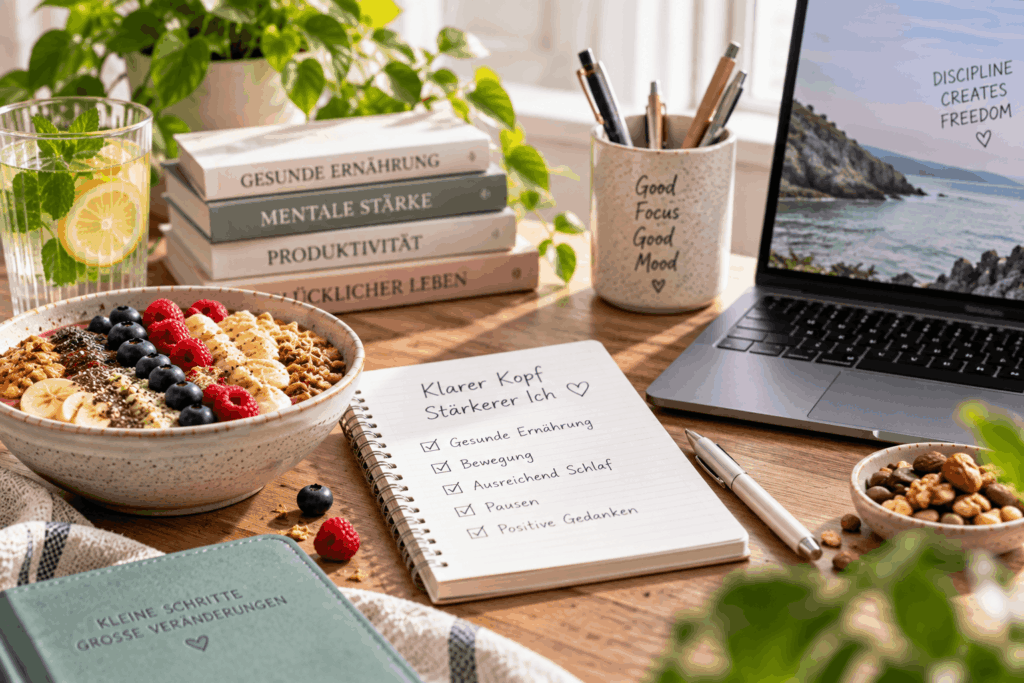
In a world full of distractions, whether from digital devices, constant notifications or everyday stress, lack of concentration is a common problem. Anyone who has difficulty focusing for long periods of time may be suffering from poor concentration. But what exactly does this term mean, how does it come about, and what can you do to improve your ability to concentrate? In this blog post we get to the bottom of these questions.
Right at the beginning: The 5 best immediate tips against concentration chess
- Drink enough – 1.5-2 liters of water per day to avoid fatigue.
- Take regular breaks – Comodoro technique: 25 minutes work, 5 minutes rest.
- Healthy snacks – Nuts, berries or dark chocolate provide the brain with energy.
- Incorporate movement – 10 minutes of fresh air immediately increases alertness
- Optimize sleep – 7-9 hours of restful sleep for full concentration.
What is lack of concentration?
Lack of concentration means having difficulty concentrating on a specific task or activity. Those affected tend to be easily distracted, fail to complete tasks, or constantly switch between different activities. This is more than just a short-term inattention – a persistent lack of concentration often affects everyday life and performance.
How does lack of concentration occur?
The causes of poor concentration are varied. Here are some of the most common reasons:
- Stress and overload: Prolonged stress, whether at work or in private life, can lead to mental exhaustion and problems concentrating.
- Lack of sleep: Sleep is essential for brain regeneration. Those who consistently don't sleep enough often have difficulty concentrating.
- Unhealthy diet: An unbalanced diet that is low in vitamins and minerals can impair mental performance.
- Mental illnesses: Depression, anxiety disorders or burnout are often accompanied by a reduced ability to concentrate.
- Medicines and substances: Certain medications or substances such as alcohol and drugs can affect the brain and cause problems concentrating.
How does a lack of concentration manifest itself?
The symptoms of poor concentration can vary greatly. The most common signs include:
- Quick distractibility: It's easy to wander and find it difficult to focus on a task.
- Forgetfulness: Important information or details are lost because you cannot concentrate on them sufficiently.
- Susceptibility to errors: Tasks are not carried out carefully because you are not mentally focused.
- Delayed response time: It is difficult to make quick decisions or complete tasks quickly.
- Procrastination: You keep putting off tasks because you don't have the concentration to tackle them.
How do you recognize a lack of concentration?
Lack of concentration is often not immediately obvious because many people believe that their difficulties are normal or due to temporary stress. However, a permanent lack of concentration can be recognized by the fact that one's own performance declines over a longer period of time and one has difficulties in various areas of life, such as at work or in everyday life.

What to do if you have trouble concentrating?
If you feel like you're consistently having trouble concentrating well, there are several approaches to restore your mental clarity:
- Change your diet: A healthy diet rich in vitamins, minerals and omega-3 fatty acids supports brain function. Foods like nuts, fish, vegetables and whole grains are particularly helpful.
- Regular sleep: Make sure you get enough, restful sleep. Most adults need around 7-9 hours per night to be mentally fit.
- Movement: Physical activity promotes blood flow to the brain and thus increases concentration. Even 30 minutes of exercise a day, such as walking or light jogging, can make a difference.
- Take breaks: Sustained concentration is difficult to maintain. Work in blocks and take regular breaks – the so-called Pomodoro technique (25 minutes work, 5 minutes break) can help you stay focused.
- Relaxation exercises: Stress is one of the biggest enemies of concentration. Methods such as meditation, yoga or breathing exercises can help calm the mind and improve concentration.
What helps with poor concentration? – Budget resources and tips
1. Drink water
The effect of sufficient water is often underestimated. Dehydration quickly leads to fatigue and poor concentration. Make sure to drink at least 1.5 to 2 liters of water every day. If you drink a lot of coffee or tea, it may make sense to increase this amount.
2. Rosemary
Rosemary is considered an excellent home remedy to improve concentration. You can use rosemary in different ways:
- Rosemary tea: Add hot water to fresh or dried rosemary leaves and let steep for 10 minutes.
- Aromatherapy: Rosemary oil can be used in a fragrance lamp or diffuser to promote concentration.
3. Green tea
Green tea contains caffeine, but also the amino acid L-theanine, which has a calming effect. This combination helps you stay awake without becoming restless or nervous. The tea gently supports mental clarity and attention.
4. Nuts and seeds
Nuts, especially walnuts and almonds, are rich in omega-3 fatty acids, vitamin E and brain-boosting antioxidants. A small snack of nuts can provide a boost of energy and improve concentration. Flax seeds or chia seeds are also a good source of omega-3 fatty acids.
5. Dark chocolate
Dark chocolate contains theobromine, a substance that works similarly to caffeine, but more gently. A piece of dark chocolate (with a Cocoa content of at least 70%*) can help improve concentration without significantly increasing blood sugar levels.
6. Fresh air and exercise
A walk in the fresh air supplies the brain with oxygen and improves blood circulation. Just 10 to 15 minutes of exercise can be enough to increase concentration. Regular breaks and exercise are therefore essential to stay mentally fit.
Peppermint essential oil can have a stimulating effect on the mind and promote concentration. A drop of the oil applied to the temples or wrist can help with mental fatigue. Alternatively, you can also drink peppermint tea.
Ginseng is known for its stimulating properties and is often used as a natural remedy to improve mental performance. You can Ginseng in the form of tea* or take as a dietary supplement.
9. Short breaks and Relaxation exercises*
Long periods of concentration are often difficult to maintain. Alternating between intensive periods of work and short breaks can work wonders. For example, try the Pomodoro Technique: 25 minutes of work followed by a 5-minute break. During breaks, short relaxation exercises or deep breathing techniques can help clear the mind.
10. Ginger
Ginger is another home remedy that stimulates blood circulation and thus improves the oxygen supply to the brain. A ginger tea can not only increase mental alertness, but can also be a healthy alternative to coffee.
Conclusion
Lack of concentration is a common phenomenon that affects many people. The good news: With the right approach, your ability to concentrate can be significantly improved. Maintain a healthy lifestyle, reduce stress, and take regular breaks. If problems persist or are particularly severe, it may make sense to seek professional help.
With the right measures, you can increase your concentration step by step and take your mental performance to a new level.
*I use affiliate links on this site through which I receive a small compensation if you purchase something. Changes for you nothing on the price, but you help me continue to provide helpful content!
Notice: The content on this website is based on personal experiences and research and does not constitute medical or therapeutic advice. If you have any health or psychological complaints, please contact a doctor or a qualified specialist!