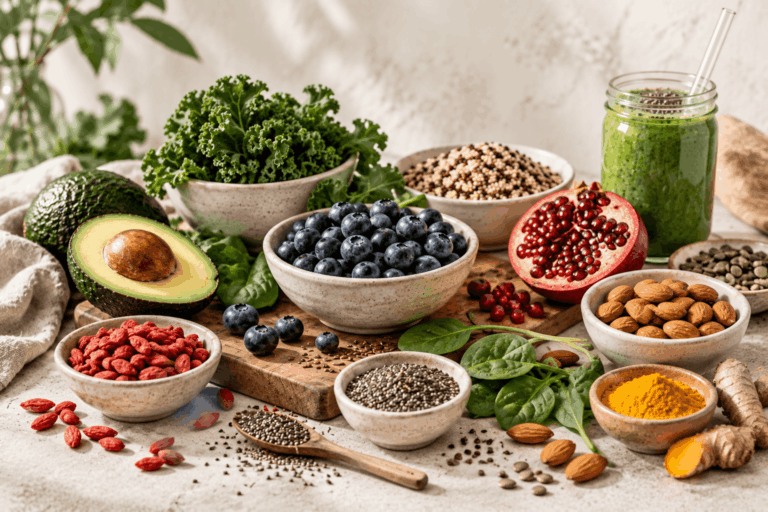
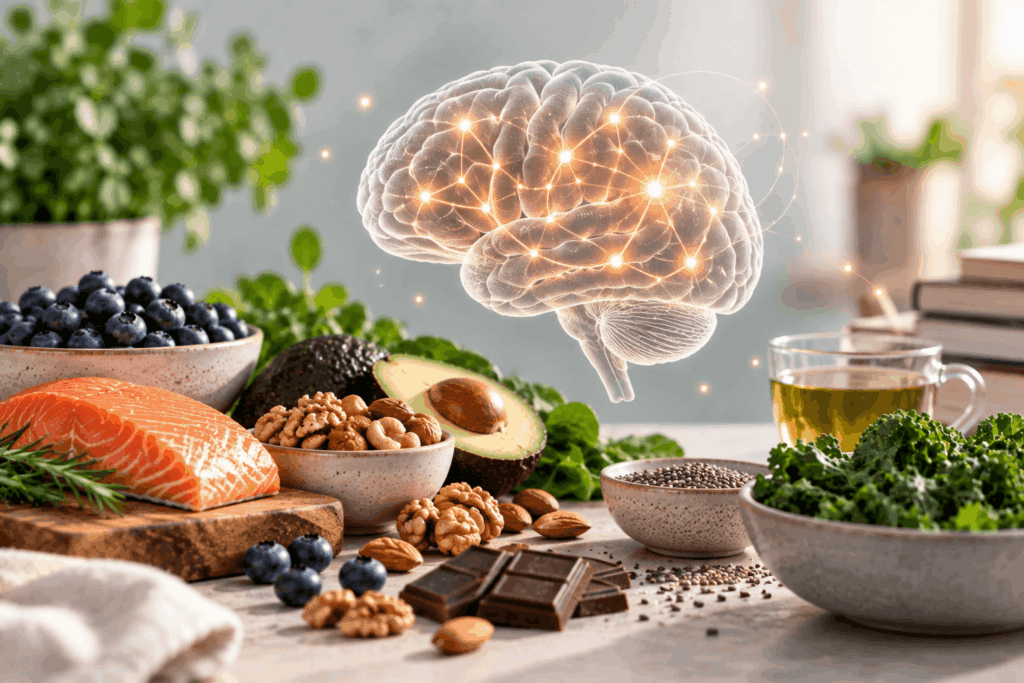
In a world that is becoming ever faster, concentration, mental performance and memory are the focus of our everyday lives. Science is showing more and more clearly that what we eat not only affects our bodies, but also our brains. Functional foods, those that provide specific health benefits beyond their basic nutrients, are key to promoting cognitive health.
How our diet affects the brain
The brain is a high-performance organ. Although it only makes up about 2% of our body weight, it uses around 20% of the energy we get from food. The quality of this energy determines how well our brain works. Functional foods contain nutrients that specifically support brain function, reduce stress and can reduce the risk of age-related diseases such as dementia or Alzheimer's.
The most important nutrients for the brain
These essential fatty acids, which are found primarily in fatty fish such as salmon, mackerel or in plant sources such as linseed and walnuts, are the building blocks of brain cells. They promote communication between neurons and can improve memory.
2. Antioxidants
Vitamin B6, B12* and folic acid play a key role in the production of neurotransmitters, the chemical messengers in the brain. A deficiency can lead to fatigue, problems concentrating and even depression.
3. Polyphenols
These plant compounds, found in foods like green tea, red grapes and olive oil, promote blood flow in the brain and protect against inflammation.
| nutrient | Food examples | Effect on the brain |
| Omega-3 fatty acids | Salmon, walnuts, flax seeds | Supports neurons, improves memory |
| Antioxidants | Blueberries, spinach, dark chocolate | Protection against oxidative stress |
| B vitamins | Whole grains, legumes, avocado | Promote neurotransmitters, reduce fatigue |
| Polyphenols | Green tea, olive oil, grapes | Better blood circulation, anti-inflammatory |
| magnesium | Pumpkin seeds, almonds, bananas | Stress reduction, better sleep quality |
Brain food for everyday life
Integrating functional foods into your daily diet doesn't have to be complicated. Here are a few simple tips:
• Breakfast with impact: Swap the croissant for a smoothie made with berries, spinach, and chia seeds.
• Snack smart: Nuts and seeds such as walnuts, almonds or pumpkin seeds are perfect for in between meals.
• Think about your tea: Green tea is not only invigorating, but also rich in polyphenols.
• Fatty highlights: Incorporate plant-based sources of omega-3, such as avocado or hemp seeds, into your salads.
Long-term benefits of functional foods
A regular intake of “brain food” not only has short-term effects such as better concentration and less stress. Studies suggest that functional foods can significantly reduce the risk of neurological diseases as we age. At the same time, they promote a more stable mood and increased well-being.
The most frequently asked questions about Brain Food (FAQ)
- Which brain food is suitable for exams or learning phases? – Especially blueberries, walnuts and green tea. They increase concentration and memory performance
- Does Brain Food work immediately? – Some foods like green tea or dark chocolate have short-term effects. However, long-term benefits only become apparent through regular consumption.
- Can Brain Food Prevent Dementia or Alzheimer's? – There is no guarantee. But studies show: A diet rich in omega-3, antioxidants and polyphenols can significantly reduce the risk
- Is coffee also brain food? – Yes – in moderation. Caffeine promotes alertness, but too much can cause nervousness. Better: Variety with green tea or matcha.
Conclusion: Your brain eats too
Brain Food is not a short-term trend, but a real investment in your mental performance. With the right foods, you can increase your concentration, strengthen your memory and even reduce your risk of neurological diseases.
-> Start small: swap a snack for a handful of walnuts or replace the cola with green tea. Even small steps bring long-term benefits to your brain. Your mind works for you every day – give it the nutrition it deserves!

Recipes
Here are some simple and delicious recipes, which contain functional foods to promote brain health:
1. Blueberry smoothie with chia seeds
Ingredients:
• 1 cup blueberries (fresh or frozen)
• 1 banana
• 1 tbsp chia seeds
• 1 cup unsweetened almond milk (or coconut milk)
• 1 teaspoon honey or maple syrup (optional)
preparation:
• Put all ingredients in a blender and puree until smooth.
• Pour into a glass, garnish with a few fresh blueberries and enjoy.
Why it works: Blueberries provide antioxidants, chia seeds provide omega-3 fatty acids – a perfect combination for brain function.
2. Walnut pesto with whole wheat pasta
Ingredients:
• 100g walnuts
• 50g fresh basil
• 50 g Parmesan (or a vegan alternative)
• 1 clove of garlic
• 50 ml olive oil
• Salt and pepper to taste
• 200 g whole wheat pasta
preparation:
1. Finely chop walnuts, basil, parmesan and garlic in a blender.
2. Slowly add olive oil until you get a creamy consistency. Season with salt and pepper.
3. Cook the pasta, drain and mix with the pesto.
Why it works: Walnuts are rich in omega-3 fatty acids and antioxidants, while olive oil provides polyphenols that protect the brain.
3. Green tea with matcha avocado topping
Ingredients:
• 1 cup green tea (hot or cold)
• 1 tsp matcha powder
• ½ avocado
• 1 tsp lime juice
• 1 pinch of salt
preparation:
1. Prepare green tea and stir in the matcha powder.
2. Puree the avocado with lime juice and salt and serve as a dip or spread.
Why it works: Green tea and matcha contain L-theanine and antioxidants that improve brain function, while avocado provides healthy fats.
4. Baked salmon with spinach and quinoa
Ingredients:
• 200g fresh salmon
• 1 tsp olive oil
• 1 garlic clove (chopped)
• 2 handfuls of fresh spinach
• 1 cup cooked quinoa
• Salt, pepper, lemon
preparation:
1. Season the salmon with olive oil, salt and pepper and bake in the oven at 180 °C for about 15 minutes.
2. Meanwhile, fry the garlic in a pan, add the spinach and sauté briefly.
3. Place the quinoa on a plate and arrange the spinach and salmon on top. Refine with a squeeze of lemon.
Why it works: Salmon provides omega-3 fatty acids, spinach is rich in antioxidants and quinoa contains important B vitamins.
5. Dark chocolate and nut mix as a snack
Ingredients:
• 50g dark chocolate* (at least 70% cocoa content)
• 30g walnuts
• 30g almonds
• 20g dried cranberries*
preparation:
• Mix all ingredients in a bowl. Perfect for on the go or as a little energy boost.
Why it works: Dark chocolate contains flavonoids that promote blood flow to the brain, and nuts provide valuable fats and antioxidants.
*I use affiliate links on this site through which I receive a small compensation if you purchase something. Changes for you nothing on the price, but you help me continue to provide helpful content!
Notice: The content on this website is based on personal experiences and research and does not constitute medical or therapeutic advice. If you have any health or psychological complaints, please contact a doctor or a qualified specialist!