
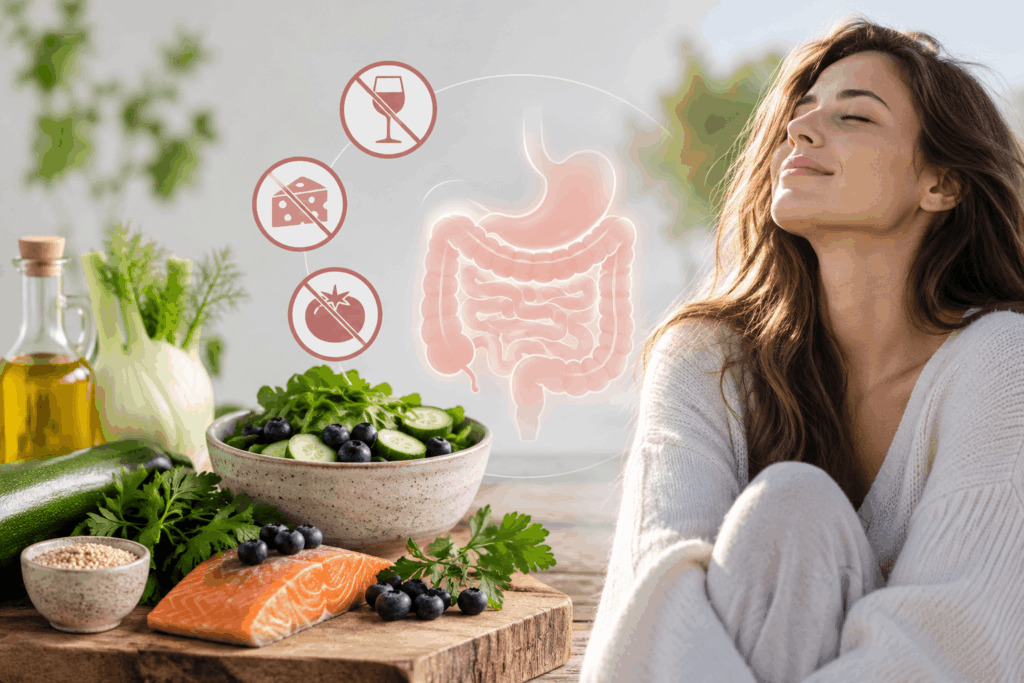
Imagine that you constantly have headaches, suffer from skin rashes, gastrointestinal complaints or heart palpitations – for no apparent reason. You try everything, but nothing really helps. The cause could be histamine intolerance, an often overlooked but widespread intolerance. In this comprehensive article, we answer the most important W questions so that you understand what histamine intolerance is, how it presents itself, who is affected and how you can find relief.
Who tests and diagnoses histamine intolerance?
Diagnosing histamine intolerance can be tricky because it is not a classic allergy and the symptoms are often non-specific. It is usually recognized and treated by the following professionals:
1. General practitioners:
Your first point of contact if you notice symptoms such as stomach pain, rash or headache. They will take an initial medical history and refer you to a specialist if you suspect something.
2. Gastroenterologists:
These doctors specialize in the gastrointestinal tract and check whether your symptoms are due to an intolerance or an enzyme deficiency.
3. Allergists:
Since histamine intolerance is not a classic allergy, allergists first rule out other food allergies. They then examine whether histamine-rich foods or histamine release trigger the symptoms.
4. Nutritionist:
Nutritionists will help you keep a food diary and analyze your symptoms related to specific foods. They also help you create a low-histamine eating plan.
5. Laboratories:
Certain laboratories offer DAO enzyme activity tests and histamine measurements, which can indicate possible intolerance.
Who gets histamine intolerance and why?
Histamine intolerance affects men and women, but is particularly common in women. Risk groups are:
• Women during menopause or pregnancy: Hormonal changes affect the activity of the DAO enzyme, which breaks down histamine.
• People with chronic intestinal diseases: Diseases such as irritable bowel syndrome, Crohn's disease or celiac disease can disrupt enzyme production.
• People taking medication: Certain medications (e.g. antidepressants, painkillers or antibiotics) inhibit the DAO enzyme.
• People with genetic predisposition: A congenital deficiency of the DAO enzyme may be the cause.
Histamine intolerance often occurs suddenly after a triggering event – such as illness, stress or medication – disrupts the balance in the body.
How is histamine intolerance diagnosed?
Diagnosis requires patience and careful examination, as there is no single test that clearly proves histamine intolerance. The common steps:
1. Symptom observation:
Doctors record your symptoms, which are often directly related to the consumption of certain foods. Typical symptoms are:
• Headache/migraine
• Skin redness, itching, rashes
• Abdominal cramps, flatulence, diarrhea
• Heart palpitations, low blood pressure
• Nausea
You record in writing what foods you eat and what symptoms occur afterwards.
3. Elimination diet:
Suspicious foods such as cheese, red wine or tomatoes are avoided for a few weeks to see if symptoms improve.
4. Laboratory tests:
• DAO levels: A low value indicates limited histamine degradation capacity.
• Histamine in the blood: High levels indicate histamine intolerance.
5. Provocation test:
Doctors carry out a challenge with foods rich in histamine under controlled conditions. If symptoms appear, the suspicion is confirmed.

How to treat or cure histamine intolerance?
There is currently no cure for histamine intolerance, but the symptoms can usually be easily controlled. The most important measures:
1. Low histamine diet:
Avoiding histamine-rich and histamine-releasing foods is the most effective way. This includes:
• Fermented products (e.g. sauerkraut, beer, red wine)
• Aged cheese
• Smoked meat or fish
• Tomatoes, spinach, eggplant
2. DAO enzyme preparations:
These supplements help break down histamine when histamine-rich foods cannot be avoided.
3. Probiotics:
A healthy intestinal flora supports the breakdown of histamine. Choose probiotic supplements that do not contain histamine-producing bacteria.
4. Medication:
Antihistamines can relieve acute symptoms, but should only be used in consultation with a doctor.
5. Stress reduction:
Stress worsens symptoms and should be reduced through techniques such as yoga, meditation or getting enough sleep.
How quickly do symptoms appear and how long do they last?
The symptoms of histamine intolerance can appear very quickly, within a few minutes to hours. The duration depends on the amount of histamine absorbed and the enzyme activity. Generally, they resolve within 6 to 48 hours.
This is how I recognized my symptoms:
- Itching on the back and neck
- Runny nose
- Cough
- nausea
- Bloated stomach
- Headache
- Red or blue spots on the body after itching
- Wheals on the body
Important: If you notice recurring symptoms, pay attention to possible triggers and document them.
What can you eat and what should you avoid?
Low-histamine foods (recommended):
• Fresh meat and fish (no canned goods)
• Rice, quinoa, millet
• Fresh vegetables (e.g. zucchini, carrots, cucumbers)
• Fresh fruit (except citrus fruits, strawberries, bananas)
Histamine-rich foods (avoid):
• Alcohol, especially red wine and beer
• Matured or fermented products (cheese, sauerkraut, soy sauce)
• Seafood and smoked fish
• Tomatoes, spinach, avocados
If you want to go deeper, I can recommend the following book about histamine intolerance recommend!
Why does histamine intolerance suddenly develop?
There are many reasons for sudden histamine intolerance:
• Hormonal fluctuations: Especially during menopause or during pregnancy.
• Intestinal problems: Chronic illnesses or a disturbed intestine can affect enzyme production.
• Medication: Certain medicines inhibit histamine breakdown.
• Stress: Physical or emotional stress puts a strain on the metabolism and can lower the tolerance limit.
Summary
Histamine intolerance is a complex but treatable intolerance. With the right diet, targeted measures and medical support, you can get the symptoms under control.
Your next steps:
• Keep a food diary.
• Talk to a specialist or nutritionist.
• Try a low-histamine diet.
*I use affiliate links on this site through which I receive a small compensation if you purchase something. Changes for you nothing on the price, but you help me continue to provide helpful content!
Notice: The content on this website is based on personal experiences and research and does not constitute medical or therapeutic advice. If you have any health or psychological complaints, please contact a doctor or a qualified specialist!