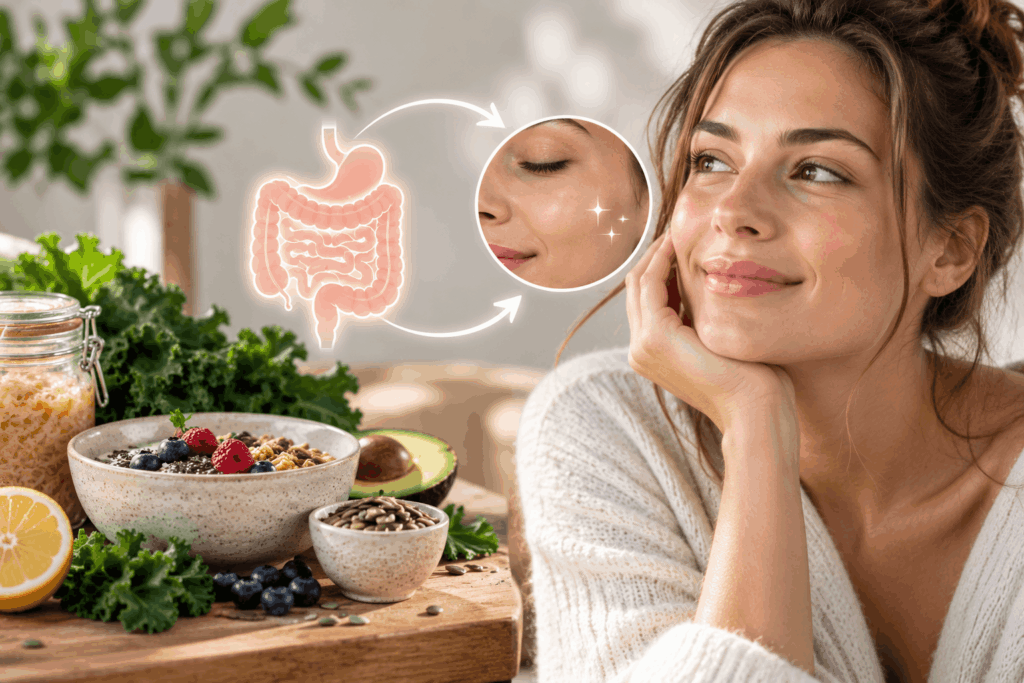
The old saying “beauty comes from within” is truer today than ever – in the truest sense of the word. While many people immediately think of external treatments such as creams and face masks when they have skin problems, science is increasingly focusing on the connection between healthy intestinal flora and radiant skin. But how exactly does our intestines actually influence our skin? In this article you'll learn how healthy digestion can contribute to clear, radiant skin and what you can do to balance your intestinal flora.
The intestine: the center of our health
The intestine is much more than just a digestive organ. It is often referred to as the “second brain” because it is closely linked to the nervous system and immune system. Trillions of bacteria live in the intestines, collectively known as the intestinal flora or microbiome. These bacteria are crucial for our health: They support digestion, strengthen the immune system and contribute to hormone regulation.
When the balance of bacteria in the gut is disrupted – often due to poor diet, stress or taking antibiotics – it can cause a variety of health problems, including digestive problems, inflammation and skin problems.
The connection between intestines and skin
Skin is our largest organ and often reflects what is going on in our body. An imbalanced gut can lead to a variety of skin problems, including acne, eczema, rosacea, and even premature aging. Why? The answer lies in the complex interactions between the gut, immune system and skin.
Inflammations: An imbalanced gut can promote inflammation in the body. These inflammations can also appear on the skin, for example in the form of redness, blemishes or flaky skin. Chronic inflammation is one of the main causes of skin problems.
Toxins and Rashes: If the intestines are not functioning properly, they cannot eliminate toxins effectively. These toxins then circulate throughout the body and are often excreted through the skin, which can cause breakouts and irritation.
Nutrient deficiency: Damaged intestinal flora can hinder the absorption of important nutrients such as vitamins, minerals and antioxidants. However, these nutrients are essential for healthy skin. A deficiency of vitamins such as A, C and E can lead to dry, dull skin.
Strengthen intestinal health: this is how you and your skin benefit
Healthy intestinal flora is the key to healthy skin. Here are some tips on how you can improve your digestion and have a positive effect on your skin at the same time:
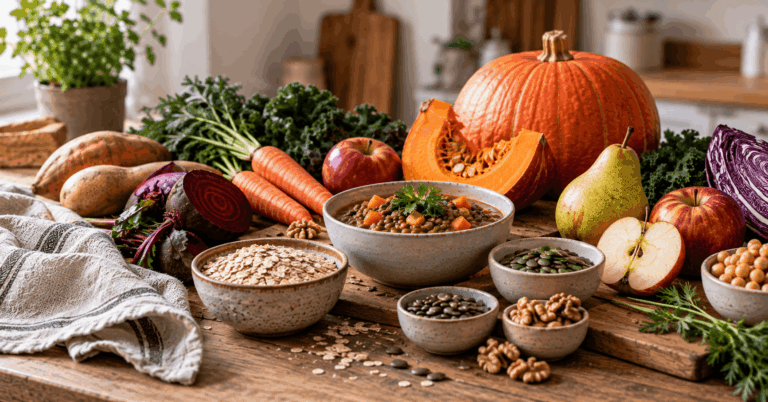
- High fiber diet: Fiber is the basis of healthy intestinal flora. They feed the good bacteria in the intestines and ensure regular digestion. Whole grains, fruits, vegetables, legumes and nuts are excellent sources of fiber. Fermented foods in particular, such as sauerkraut, kimchi, kefir and yogurt, contain probiotic bacteria that strengthen the intestinal flora and thus indirectly improve the skin.
- Probiotics and Prebiotics:* Probiotics are “good” bacteria that help restore balance in the gut. You can find them in foods like yogurt, kefir or special probiotic preparations. Prebiotics, on the other hand, are indigestible fiber that serves as a food source for probiotics. Prebiotic foods include onions, garlic, asparagus and bananas.
- Avoid sugar and processed foods: Sugar and highly processed foods promote the growth of harmful bacteria in the gut, which can trigger inflammation and increase skin problems. Therefore, reduce your consumption of sugary foods, white flour products and ready meals and instead focus on a fresh, balanced diet.
- Incorporate anti-inflammatory foods: Foods such as fatty fish (e.g. salmon), walnuts, chia seeds and flax seeds contain omega-3 fatty acids, which have an anti-inflammatory effect. These healthy fats support the skin by reducing inflammation in the body and providing smoother, more radiant skin.
When should you pay attention to your gut health?
If you have skin problems that don't improve despite external treatments, it might be worth taking a closer look at your gut health. Common symptoms of an upset gut can include bloating, diarrhea, constipation, fatigue, or a weakened immune system. Chronic skin problems such as acne or eczema can also be an indication of an imbalance in the intestines.

Mindful eating: the key to gut and skin health
Mindful eating – which means eating slowly, savoring the food and chewing thoroughly – promotes better digestion. By taking time to eat, you help your gut work more efficiently and reduce stress. Stress is one of the gut's biggest enemies and can lead to digestive problems, which in turn have a negative impact on your skin. Make sure you eat in peace and without distractions.
Avoid frequent antibiotic use
Antibiotics are sometimes necessary to fight infections, but they can also severely impact the balance of your gut flora, killing not only harmful bacteria but also beneficial ones. This can weaken the intestinal microbiome in the long term and lead to digestive problems that have a negative impact on your skin. If you have to take antibiotics, it is advisable to actively support your intestinal flora afterwards by consuming probiotics and prebiotic foods to restore balance and avoid skin problems.
Avoid excessive alcohol and caffeine consumption
Alcohol and caffeine can unbalance the intestinal flora and irritate the mucous membrane in the digestive tract. Alcohol in particular can promote inflammation in the intestines, which can have a negative impact on skin health. Caffeine in large quantities can also dry out the skin and promote inflammation. Therefore, reduce your consumption of these substances and instead rely on water or herbal teas, which benefit both the intestines and the skin.
Get enough sleep for healthy digestion and skin
Sleep is not only important for your skin regeneration, but also for your intestines. While you sleep, your body has time to recover and regenerate the digestive tract. Lack of sleep can disrupt the balance of intestinal flora, which in turn can lead to skin problems. Make sure you get at least 7-8 hours of sleep per night to support both your digestion and your skin's appearance.
Watch out for food intolerances
Intolerance to certain foods, such as gluten or lactose, can put a strain on your intestinal flora and cause inflammation in the body. This inflammation is often reflected in skin problems such as acne, redness or itching. If you suspect that certain foods are not good for you, a food intolerance test can be helpful to provide long-term relief to your skin and digestion.
Conclusion
Your skin is a reflection of your inner health, and a well-functioning intestine plays a key role in this. By eating a balanced diet, reducing stress and avoiding unhealthy foods, you can sustainably improve both your intestinal flora and the appearance of your skin. Beauty begins in the gut – so take good care of it and your skin will thank you!
*I use affiliate links on this site through which I receive a small compensation if you purchase something. Changes for you nothing on the price, but you help me continue to provide helpful content!
Notice: The content on this website is based on personal experiences and research and does not constitute medical or therapeutic advice. If you have any health or psychological complaints, please contact a doctor or a qualified specialist!