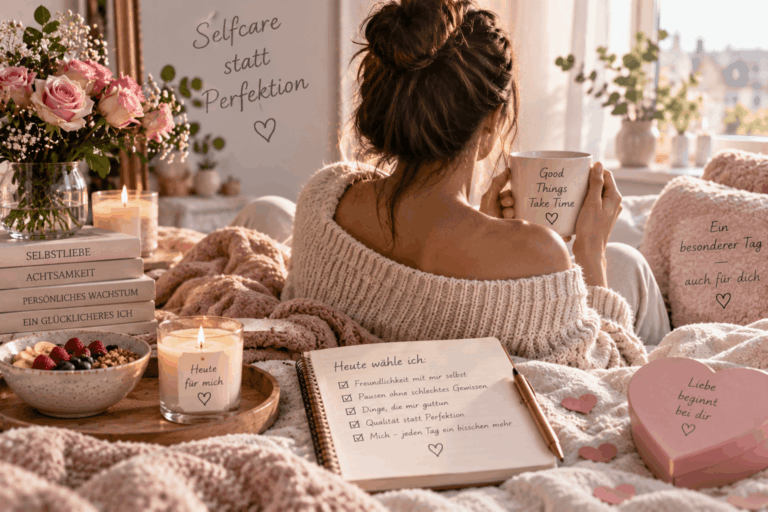
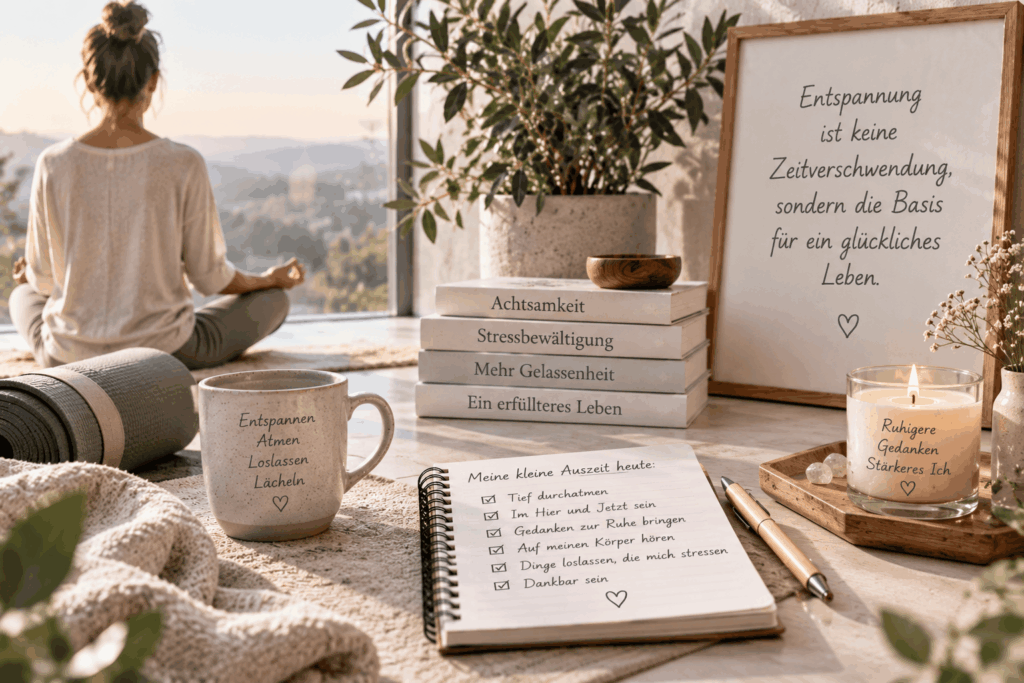
Does the constant hectic pace and everyday stress sometimes seem overwhelming to you? In a world that is getting faster and louder, it is more important than ever to find ways to relax. Whether you're looking for a short break from everyday life or want to promote your mental and physical health in the long term – relaxation is key. But what methods are there, who can offer them and why is relaxation so important for all of us? In this article you will get answers to the most important questions about relaxation and find out how you can effectively integrate it into your life.
Why is relaxation important?
Relaxation is not just a nice idea, but vital for our body and mind. Due to constant tension and stress, our body releases increased cortisol, which can lead to a number of negative health consequences, such as sleep disorders, cardiovascular problems and mental exhaustion. Regular relaxation helps lower these stress hormones and puts the body in a state of calm.
This is particularly important for children. In a world full of stimuli, screens and demands, they need relaxation to maintain their inner balance. Relaxation techniques help children regulate emotions better and increase their ability to concentrate.
Who can offer relaxation?
There are a variety of relaxation techniques and offers, but who is actually allowed to offer them?
- Relaxation courses: These may be led by specially trained professionals such as relaxation educators, relaxation therapists or other qualified trainers. Make sure the instructor has a recognized certification.
- Relaxation massages: In order to offer medical or therapeutic massages, you need appropriate training as a masseur or physiotherapist. Wellness massages, on the other hand, can also be offered by people with special wellness training.
- Relaxation educators and therapists: These professions require recognized training. Relaxation educators often work in schools, clinics or wellness facilities. However, the term “relaxation therapist” is not protected, which is why it is important to pay attention to the qualifications.
- Relaxation books: Relaxation books are books that help to reduce stress and find inner peace – these include, for example, mindfulness guides, meditation training or coloring books for adults that contribute to relaxation through creative design
Do you already know this sweet, relaxing coloring book?*
How does relaxation work?
Relaxation is not just doing nothing. There are various techniques for getting into a relaxed state. Here are a few methods that have been proven to be effective:
- Relaxation music: Music with a slow beat of around 60 to 80 BPM can calm the heartbeat and relax the mind. It is often used in yoga sessions, meditation or wellness treatments.
- Relaxation exercises*: Breathing techniques, progressive muscle relaxation or autogenic training help to relax the body and calm the mind. These exercises can easily be integrated into everyday life, for example in the morning after getting up or in the evening before going to bed.
- Weighted blankets: These heavy blankets, also known as relaxation blankets, are designed to provide a feeling of security and improve sleep quality through even pressure.

How much relaxation do people need?
The right amount of relaxation varies from person to person. Some people need short periods of relaxation every day, while for others a longer break on the weekend is enough. Daily relaxation exercises lasting 10 to 20 minutes are ideal. This could be a walk in nature, meditation or a relaxing bath.
How does relaxation contribute to long-term health?
Long-term relaxation protects against the negative consequences of chronic stress, which can go far beyond acute exhaustion. Studies show that regular relaxation techniques significantly reduce the risk of stress-related diseases such as high blood pressure, heart problems or sleep disorders. They act like a kind of protective shield for body and mind. By actively taking time for relaxation, we not only promote our physical health, but also our psychological resilience, the so-called resilience, and can face challenges more calmly and consciously.
How often should you do relaxation exercises?
To really feel the positive effects, relaxation should be an integral part of everyday life. It's best if you incorporate small exercises every day, for example breathing exercises, yoga or a short meditation. Longer relaxation sessions, such as massages or sauna sessions, are also useful on a weekly basis.
Where can I find relaxation options?
- Relaxation vacation: Wellness hotels and relaxation retreats offer you the opportunity to completely switch off your body and mind. Offers in the mountains, by the sea or in spa resorts are particularly popular.
- Relaxation music: You can easily buy relaxing music online or listen to it via streaming platforms. There are also specialized styles of music composed specifically for relaxation and meditation.
- Relaxation educators: They work in wellness centers, schools, clinics or offer private courses. Many cities also have relaxation studios that offer a variety of classes.
What to do if relaxation doesn't work?
Sometimes it's hard to really let go. In such cases, it can help to seek professional support from a relaxation therapist or relaxation educator. Targeted relaxation massages or therapeutic methods such as autogenic training can also help to relieve tension.
Conclusion: Relaxation is not a luxury, but a must!
Relaxation should not be viewed as a luxury, but as a fundamental necessity to stay healthy and balanced. No matter whether you choose relaxing music, massages or daily meditations – the most important thing is to regularly find moments of calm and leave stress behind you.
Your path to relaxation begins today!*
Try one of the techniques mentioned and find out what works best for you. Your body and mind will thank you!
*I use affiliate links on this site through which I receive a small compensation if you purchase something. Changes for you nothing on the price, but you help me continue to provide helpful content!
Notice: The content on this website is based on personal experiences and research and does not constitute medical or therapeutic advice. If you have any health or psychological complaints, please contact a doctor or a qualified specialist!