

The ketogenic diet has received more and more attention in recent years. But what is actually behind it? Who benefits from this diet, why does it make sense and how exactly does it work?
In this article you will learn everything you need to know about the ketogenic diet, its advantages, possible disadvantages and how you can successfully integrate it into your everyday life.
What is the ketogenic diet?
The ketogenic diet is a special form of low-carb diet in which the carbohydrate content is greatly reduced and the fat content is significantly increased. This puts the body into a metabolic state called ketosis.
In this state, the body burns fat as its primary source of energy instead of carbohydrates. This means that fat reserves are used efficiently, which promotes weight loss.
The ketogenic diet was originally developed to treat epilepsy in children. However, today it is also used for other health purposes, including improving metabolic health, controlling blood sugar levels, and aiding in weight loss.
Who should eat a ketogenic diet?
There are several groups for whom a ketogenic diet can be particularly beneficial:
• People with epilepsy: The ketogenic diet has been used to treat epilepsy since the 1920s. It can help reduce the frequency of seizures in patients.
• People with type 2 diabetes: A low-carbohydrate diet can help stabilize blood sugar levels and improve insulin sensitivity.
• People who are overweight: Since the body uses more fat as an energy source in ketosis, the ketogenic diet can contribute to effective weight loss.
• Athletes and biohackers: Many competitive athletes and people who want to increase their cognitive performance rely on the ketogenic diet to maintain long-lasting energy.
How does the ketogenic diet work?
Normally our body gets energy from carbohydrates. However, when we hardly consume any carbohydrates, the body begins to convert fat into so-called ketone bodies, which serve as an alternative source of energy. This state is called ketosis.
To achieve ketosis, the diet should consist of approximately 70-80% fat, 10-20% protein and only 5-10% carbohydrates consist. Carbohydrate intake is usually increased maximum 20-50 grams per day reduced. This condition may take a few days for the body to fully adjust.
What can you eat on the ketogenic diet?
The following foods are allowed on a ketogenic diet:
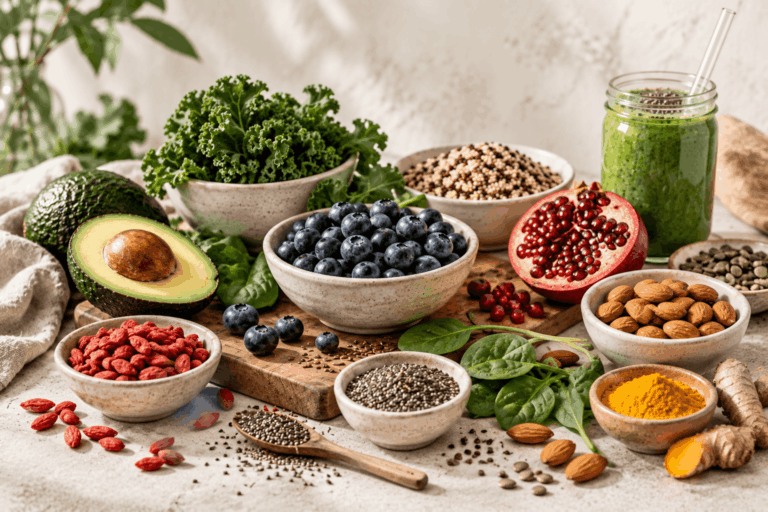
• Healthy fats: Avocados, coconut oil, olive oil, nuts, seeds
• Protein sources: Meat, fish, eggs, high-fat dairy products such as cheese and Greek yogurt
• Non-starchy vegetables: leafy greens, zucchini, broccoli, cauliflower, cucumbers, peppers
• dairy products: butter, cheese, cream, but in moderation as they contain lactose
Foods that are not allowed:
• Sugar and sweet foods: cakes, sweets, fruit juices
• Cereal products: Bread, pasta, rice, oatmeal
• Starchy foods: potatoes, corn, peas
• legumes: beans, lentils, chickpeas

How long should you follow a ketogenic diet?
This depends on the individual goals. Some people follow the ketogenic diet permanently, while others only do it for a few weeks or months to lose weight or optimize their metabolism.
However, a long-term ketogenic diet should be well planned to avoid nutrient deficiencies.
What does a ketogenic breakfast look like?
A ketogenic breakfast is rich in healthy fats and protein. Examples are:
• Scrambled eggs with avocado and bacon
• Greek yogurt with nuts and chia seeds
• Bulletproof Coffee (Coffee with butter and coconut oil) for a morning energy boost
• Salmon with cream cheese and cucumber slices
Why is the ketogenic diet good?
The ketogenic diet offers numerous benefits:
• weight loss through increased fat burning
• Stable blood sugar levels and fewer cravings
• More energy and mental clarity, as ketone bodies are an efficient source of energy for the brain
• Improving heart health, if healthy fats are preferred
• Anti-inflammatory effect, which may be particularly interesting for people with autoimmune diseases
Frequently asked questions about the ketogenic diet (FAQ)
- How quickly do you lose weight on the ketogenic diet? – Many people notice rapid weight loss in the first 1-2 weeks – often due to the breakdown of water as carbohydrates are stored. After that, the decline is slower but steady. Discipline, calorie balance and choosing healthy foods are crucial.
- What side effects can the ketogenic diet have? – Especially in the beginning, many people report the so-called "chain flu". Symptoms include fatigue, headaches and irritability as the body gets used to the noise. These symptoms usually subside after a few days. Drinking a lot, taking in electrolytes and getting enough sleep can help.
- Is the ketogenic diet suitable for everyone? – No. People with certain previous illnesses (e.g. kidney or liver problems, type 1 diabetes) should only do the chain under medical supervision. It can be a safe and effective diet for healthy adults as long as it is designed consciously and in a balanced manner.
- Can you still eat fruit when you're on a chain? – Yes – but only fruits with little sugar, such as berries (raspberries, strawberries, blueberries). Fruit with a high fructose content such as bananas, grapes or mangoes should be avoided as they quickly increase the carbohydrate content.
Conclusion
The ketogenic diet can be a great benefit for many people, especially those who want to improve their health and performance. It can help you lose weight, regulate blood sugar and increase mental performance. However, it is important to be well informed, to ensure a balanced nutrient intake and to plan your diet consciously. If you're thinking about switching to keto, it's worth making a plan and slowly getting used to the diet.
Notice: The content on this website is based on personal experiences and research and does not constitute medical or therapeutic advice. If you have any health or psychological complaints, please contact a doctor or a qualified specialist!